
Podcasts
4 May 2026
Original Article Posted:
April 2026
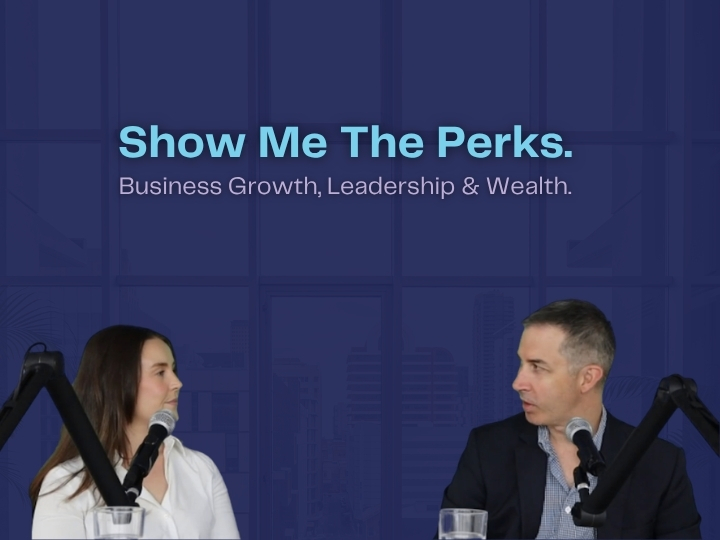
Rising living costs, housing affordability pressures and a constantly shifting job market have completely reshaped what financial security looks like for younger Australians. In this episode of Show Me The Perks, host Kim Bigg is joined by Elly Hempel, Financial Adviser, Perks Private Wealth, to dive deep into the financial realities facing Gen Z and millennials and, more importantly, how they can navigate them with confidence.
This episode also covers:
Whether you’re a Gen Z, a millennial, or an emerging professional looking for clear, realistic financial guidance in an unpredictable world, this episode offers grounded, practical insights to help you cut through the noise and take control of your financial future.
Hi everyone and welcome to Show Me The Perks. I’m Kim Bigg and today we’re diving into a topic that is reshaping the way younger Australians approach money financial planning for Gen Z and Millennials. From rising living costs to the changing nature of work, this generation is navigating a financial landscape that looks very different to the one their parents dealt with. But it’s not all doom and gloom, seeing new opportunities, new tools and new ways of thinking about wealth building.
Joining us today is Elly Hempel, Financial Adviser within Perks Private Wealth, who works closely with emerging professionals and helping them build smart, sustainable financial plans. And I’m excited to understand what Elly is seeing on the ground and what practical steps Gen Z and millennials can take today.
Welcome, Elly.
Thank you. Thanks for having me.
Excellent. Thank you for coming along. And Elly likes to help clients financially navigate key life stages from their first full-time job to planning major milestones like buying a home or starting a family. The focus is on empowering young Australians through clear, accessible financial guidance. So we’re here today to explore the next generation and what they really need from their financial advisers and how they can be better supported.
So to start things off, I’ll just ask a question for those listeners who don’t know. What are the Gen Z and millennial age brackets? If we’re talking about Gen Z and millennials, how old are these people or when were they born?
So I did have to look this up. So millennials, I am a millennial, 1981 to 1996 and Gen Z are 97 to 2012.
So these are people ranging in age from say 20 years of age, give or take through to their early 40s, that’s pretty well where we’re at. So that gives a bit of a perspective on who we’re dealing with. And clearly, I mean, the first question I’ve got today is around how the landscape has changed. You know, compared, and you can start to think about what Gen Z and millennials are thinking about that perhaps their parents may not have. But from your perspective, how has the financial landscape changed for Gen Z and millennials over the past 10 or 20 years. What are Gen Z and millennials facing in terms of are they genuinely new challenges or is it just a shift in perception?
I don’t think it is a shift in perception. I think it is a real structural change that we’ve seen over the last 10 to 20 years. I think there’s obviously data to back that up as well. Probably at the forefront of that is housing affordability. I mean , housing…
affordability back 20 years ago was on average around four to five times kind of household income to get into the market. Now that’s kind of sitting at eight to nine times and in goodness, Sydney is around 20 times something ridiculous. Just factually the cost of housing as a comparison to the wages that people are earning, you know, contrast in today’s terms, it’s very much more expensive than what it was 20 or 30 years ago.
Yeah. And I think as you said, wages also plays a part. know, that’s kind of…
Wages have increased, but not at the same rate.
Nowhere near the same rate as, you know, house prices have. And then I suppose kind of interest rates play a part in that as well. I know I’ve had a lot of conversations with older clients that have lived through interest rates of, you know, 17%. And obviously that’s a challenge in itself, but I think…
Gen Z and millennials haven’t seen.
No, no, they haven’t. But I guess the point there is that, you know, even small interest rate rises, if they’re on a such, you know, a much larger mortgage balance, that’s going to really hit their pockets much harder.
And when you talk about the financial landscape changing, mean, Gen Z and millennials, yes, it’s probably harder to buy in, but they probably have, there’s more millennials in Gen Z who have some, some level of parental support in trying to look to purchase homes, either through purchasing homes or availability for supporting them with maybe childcare support for their kids, the majority of people are, it’s very much more common these days to have both parents working in some form or another. So the financial landscape, there’s a housing issue, but there’s also quite a few other changes as well.
Absolutely.
What differences do you see between millennials and Gen Z? If Gen Z is say, they’re probably 33-year-olds to 45 year olds or thereabouts. And then the others are probably aged between 18 and 33 give or take. So, what differences do you think between millennials and Gen Z?
Yeah I think look millennials and as I said, I am a millennial. I think.
I suppose we’ve kind of grown up and have had a more traditional approach to how our lives should play out, kind of almost replicating what our parents did. So getting a job, buying a house, having a family, retiring when we want to, and hopefully building enough wealth to make that all happen without too many hiccups. And I think…now, which is conversations I’m having with millennial clients now, is that that narrative isn’t really playing out how they wanted to. So a lot of those conversations are more around, I think, kind of catching up and feeling like they’re lagging. Whereas Gen Z, by comparison, I think they’ve kind of have bucked that traditional approach to what their life should look like. think they’re a bit more flexible, adaptable. They really put their, I suppose, lifestyle ahead of lot of things.
So lifestyle, mental health, their kind of values, a lot of them, when it comes to investing, very environmentally driven, wanting to make sure that they are investing in the right sort of things and how they want the world to go. So I think there’s definitely more of a kind of a lifestyle and value shift for that generation rather than the more traditional approach to what we think our lives should, that path should be.
So the Gen Zs look at the millennials and think, I know you guys are following that more traditional path, but for us that’s very difficult to see a world where that can happen.
Yeah, I think so. think it’s just the millennials kind of came up again, as I said, trying to replicate. Came up under the boomers to some extent. That’s it. And then kind of as we were coming into adulthood, the GFC hit and from there it has been a bit of a derailing of what that path looks like. Whereas I think Gen Z have already grown up in that changed landscape. So their perception, their attitudes, their kind of basis of reality has really changed, particularly with COVID pandemics.
And rather than fighting against it and chasing the traditional path, they actually just forge their own path in a completely different way, which doesn’t…doesn’t grind against that traditional path quite as much, whereas the millennials are perhaps still trying to hang on to that traditional mindset of buying a home, working their way through a mortgage. And to that extent, I mean, some of the Gen Zs might be the tech natives. Gen Z have grown up with social media and just absorbed it into their everyday lives as if it was normal, whereas millennials had to adapt to it. How does that change, anxiety perhaps going through these younger generations or just financial acumen as far as how these two different generations handle it?
Yeah, think, look, I think social media does play obviously a large part in our everyday lives, including finances. think one of the positives about social media, it’s really kind of lowered the barrier to entry in terms of financial literacy, financial education. It’s a lot more easily digestible. You you’re able to go out and access that information. It’s at your fingertips. You don’t need- You can study degrees from home.
Yeah, all those kind of things.
You don’t need, you know, a professional to kind of get your start into that financial world, if you will. But obviously, with all those positives do come downsides. Obviously, there’s a lot of muck on the internet. So really kind of forging a way through what can be adhered to and what can’t. You know, there’s a lot of fin-fluencers out there, espousing lifestyles saying you can, you know, drive a Porsche or do all these other kinds of things by investing in crypto
You can retire at 21.
Exactly. So I think there’s obviously a huge amount of risk as well, particularly for younger people who might be more easily influenced. So kind of understanding that you should take things with a grain of salt, as well as understanding that social media isn’t regulated, it’s not licensed. So anything you take from there should be kind of be given by someone with an actual financial background rather than a social media degree.
Can the Gen Zs sift through the muck of the internet better than the Millennials or not so much? They should be able to. Look, they should be able to, but who knows. They should be there at Varnie. Look, AI is very good as well. I’ve been tricked a few times. Absolutely.
Maybe that’s because you’re in the Millennials.
Exactly.
The Gen Zs wouldn’t get tricked.
So listing out, I’d love to get perhaps a bit of a list of what the factors are that most affect young people today, whether they’re Gen Z or Millennials, anything up to say 45 years of age, what are the key things that, you know, from a financial perspective affect these people? Is it cost of living? Is it HECS debts, etc? What are the types of things that affect them the most?
I think it’s well, certainly both of those things. Cost of living is a huge factor right now in particular, as we kind of spoke about before wages just haven’t kept up really with inflation. So a huge amount of people’s take home pay is going towards paying off the basics. There’s really not a lot of wiggle room there.
Real earnings haven’t shifted.
Correct. Yeah. So I think that’s probably one of the pressure points for people is kind of trying to amplify any surplus income they may have and what to do with it. I mean, HECS debt is another one. I mean, we often talk about it as kind of cheap debt, if you will. But I think people don’t really pay a huge amount of attention to it. It of sits off in the background. You pay a little bit from your tax and off you go. But there is a real consequence for cashflow. That needs to be paid off in your tax every year. And same with when it comes to lending and borrowing and wanting to buy a home, your HECS debt does have a real effect on what your lending capacity is as well.
There’s the housing affordability is obviously a major factor, but then there’s the actual ongoing cost of living of just your real wages. Do you have the same amount of cash left over when you try to buy fuel or groceries at the end of it? Housing feels out of reach for a lot of people. How do you help clients to reframe or navigate the path of housing?
Getting into the market. think in terms of framing it for clients, it’s not trying to shy away from the fact that there is a real structural challenge there for people to get into the market and to validate those feelings. But I guess it’s more about understanding that I don’t think the conversation at large is about how can I buy my dream home for my family? Lots of the time it’s about understanding what are some practical steps I can take to at least get me on the path to home ownership. And I suppose home ownership can mean a lot of different things. It can look like a stepping stone property. So maybe it’s not something you want to live in for the long term, but being able to get your foot in the market is better than not. So buying something a lot smaller than you want, something further out, at least you can start building equity there.
I also have lot of conversations about rent-vesting. So, renting where you want to live, closer to schools, work, that kind of thing, but being able to afford something cheaper as an investment property and build your equity kind of that way. I also have lots of conversations about, I mean, there’s first home buyers, stamp duty relief here in SA for new builds, first home buyers super saver scheme, which you can also use.
And generally, clients, you know, within these age brackets through Gen Z and millennials, you know, is it quite common for them to come to a financial planner to get assistance with how to work through all those things? Because there’s quite a lot of different grants, whether they’re first homeowners grants, stamp duty grants, and there’s rules that go with them. You know, it can be a bit daunting, even for the Gen Zs who, you know, use chat GPT or whatever to try to work it out. You know, how do they navigate the path to try to do it in the best possible way?
I think, yeah, look, a financial adviser can certainly assist. We are able to, I suppose, help distil and gain clarity over your overall position, which I think is really where financial planners come into play. Obviously, as I said, there’s a lot of tools you can do that either by yourself or with a mortgage broker. know, finance and lending institutions can be really, really helpful. But I suppose, certainly for a financial adviser, kind of gaining clarity over your overall position.
And whether it’s about using those tools now or more about kind of how you structure your affairs to build yourself and you build your finances up to getting into that sort of position to buy a home can be helpful.
Excellent. And look, this is starting to get into, you we’ve laid the groundwork of what it’s like for Gen Z and millennials and the financial landscape they’re faced with, which is ultimately the inevitable financial landscape they’re all going to be shaped with and it’s going to change going forward, but starting to get into some of the things they can think about as to how to navigate it. So, you’ve mentioned a few things there on housing, but what other opportunities does this, these generations have, you know, perhaps compared to Gen X and the boomers, you know, what, do they have open to them that, you know, previous generations didn’t really have at their disposal?
Well, I think we’ve kind of touched on a little bit already, which is that kind of social media influence, I think. think really technology has come a really long way and what that’s done is being able to open up the doors to invest cheaply and diversely. So, things like ETFs are available to anyone. There’s no barrier to entry in terms of having to build up a sizeable amount to invest to then see that value.
s
And technology has made that really easy and accessible to do, you know, on your couch at home. By contrast, the baby boomers probably used to ring up a stockbroker and wait for them to place an order over the phone or something like that. And they’d get a contract note sent to them in the mail that would get there a few days later. By contrast, you could establish an online share broking account and buy your first ETF in probably half an hour if you tried hard. Yeah, so it is very, people can invest much easier than they ever have and more diversely than they ever have.
And I really cheaply as well, know, those broking costs, you know, you don’t need to pay a broker to do that. You’re able to do that. I guess the quickness of it all and the efficiency of it all is also a bit of a challenge because obviously the quicker you can invest, the quicker you can perhaps lose and hence trying to navigate that finfluencer pathway and make sure that you know, what’s being offered is, you know, is genuine and if it looks too good to be true, then it probably is probably.
Some of the other parts to, you know, Gen Z and millennials is this day, which is different from the baby boomers sort of genres that there’s a lot of side hustles and diversification of income streams, how does that look or how do you, how do you see people in these in these generations navigating the path when they have lots of different options available to them, which simply wasn’t there before?
Yeah, definitely. Well, I think we’re seeing that more and more, certainly with this generation. As I said, that kind of shift from more traditional norms where you might have a job and be there for 30 years, doesn’t really play out the same way nowadays. So we’re seeing a lot of particularly younger clients with multiple income streams coming through. So contract work, seasonal work. Going over to Europe and working for six months. That’s becoming more normal than the exception to the rule. I suppose from a financial planning perspective, it’s not about that kind of more traditional approach. Income is unpredictable. So really about navigating, how can clients best protect themselves, I suppose. Kind of that risk protection is a big factor, ensuring they have enough emergency buffers, cash insurance, putting money aside for tax payments. Lots of people are self-employed, know, they’re not making employer contributions, for example, into their super so.
And they don’t have the same job security, you know, one of the advantages of having a, you know, a job as you get annual leave, long service leave, you have all of those types of things. And often things like income protection insurance are much more straightforward when you have a have a steady job when you have three part-time jobs, it’s not quite as easy.
It becomes a lot more difficult.
Which presents more challenges, which ultimately means, it presents that you still need to be covered because if you can’t work, you’re still gonna have the issue. So you’ve either got to build yourself a bigger buffer of cash for the rainy day when something goes wrong or find a good financial planner who can support the insurance aspect to make sure you’re still covered as best you can.
What are the things you would encourage Gen Z’s and millennials to do? If there was three things to do, know, they were sitting across the table from you, or if they’re sitting at home listening to this podcast, what would you say to them to try to get right? You know, if there was just three things they needed to get right.
So financially, Yes. So I think the first one, number one, and this is across my whole client base, every person I speak to, it’s not very sexy, but is budgeting. Always figure out, and budgeting doesn’t mean, you know, not spending something or raining and spending, though it can mean that it’s mostly about gaining clarity of what’s coming in the door and what’s going out the door and figuring out where is my money being spent. So, how much is going on those kind of fixed costs that we all have to pay electricity, groceries, those kinds of things, and how much is going out on more of that discretionary spend. Because really the discretionary spend is where the lever is to pull in terms of building wealth, because that’s where you can draw back from to hopefully pull that money out and start putting it into those wealth building buckets. So that’s absolutely my number one is figuring out where your money’s going.
Set a budget.
Set a budget, second, which we’ve already touched on, is definitely building out your emergency buffer. So whether that’s cash, whether that’s kind of insurance, basically, you don’t want all your hard work to be derailed by something going wrong. If you can have that buffer for yourself, that if something does go wrong, you’re not going to be in financial disastrous, that will allow you to then, I suppose, take more risks and take the opportunities where they come up, because you don’t have that downside risk, suppose. So that’s definitely number two. And I think number three would be getting started. So doing something. Whether that’s, as I said, putting money aside every fortnight, every pay cycle to that savings bucket, or starting a little investment account and putting money aside, kind of creating a habit that’s sustainable. You don’t have to shoot the lights out right away, creating sustainable habits that will see you through for the long term, start now, because that’s where wealth building really begins, I suppose.
Excellent. there was have a budget. That was the first thing. The last one was have a plan. The second one was risk management. Have a buffer. Have a buffer. So have a budget, have a buffer, and then have a plan.
And really when you look at that, there’s different scenarios for all of it. Everyone’s going to have a different budget, but everyone can prepare one. Everyone’s going to have a different buffer and the buffer will be relevant to what their work cycle is. If you’ve got a single full-time job where you’re earning quite well, you’ve probably got annual leave and long service leave and it’s probably even life insurance and income protection insurance. And it probably means you need, can have a lighter buffer because you don’t need, you’ve got all these other buffers around you. But if you’re a, got three part-time jobs or you’re a freelancer or you’re something else, you don’t have those. So you probably have to keep a higher level of cash buffer to make sure you don’t get derailed by something unexpected. And then your last one around just making a start, you know, it’s about, I gather it’s about putting together some, some goals and objectives and just say, even if you start with $20 a week, just something to get going and then you can start to get a feel for, okay, this is what it’s like, this is what it looks like. Where do I go from here and build from there.
And that can really build motivation as well. When you see that working over the longer term, it can be quite addictive.
And sort of following on from that, when should people start doing these things? And from what you see, when people do take those actions, those three, key items, what do they see down the track? What difference does it make 10 years on?
Well, think probably firstly, there’s that behavioural kind of element. So, creating those behaviours and seeing them through consistently. So, what I mean by that is, know, putting that $20 aside each month, it becomes a habit. You know, you don’t, it doesn’t have to be as intentional. So, you’re not trying to play catch up, you know, by doing these big kind of grand gestures in 10 years’ time by trying to, as I said, play catch up, you’ve kind of got the foundation laid. So, it’s easier to build on that. As time goes along, it just becomes part of your day to day. You’re not missing that money. And then I suppose the second part of that is definitely compounding. I mean, compound interest, compound investments.
So compound interest, compound investments. mean, returns don’t go in a straight line.
They’re returns and returns and it becomes exponential growth in time. So really time is the biggest thing on your side, particularly for these younger generations, you have a longer runway. So take advantage of it. Start now, even if it’s small, because those small habits compounding over time make a far bigger difference than those big swings later on down the line.
So your message is don’t wait until you’re, you know, 20 years from now and go, I’ll start my financial, planning, learning journey at that point. You know, it’s really start, start earlier, even if it’s small and start small and start early and just make your way through on your financial journey and learn along the way. And look, hopefully use a, use a financial planner to support you along your way as well.
And at certain points, whether it be life insurance or when you’re about to buy a home or something like that, you know, reach out to get financial assistance from hopefully someone other than the, FinFluencer coming through on social media.
Yeah.
Excellent. All right. Well, I think that’s been a really good summary of financial planning for Gen Z and millennials, figured out who they are and how old they roughly are. And we’ve figured out what they should be doing. If they’re thinking to themselves, I don’t know where to go. And I don’t know whether to trust the Instagram post or not. I think the key there was the budget and then the buffer. And then have a plan. We just haven’t found that. That’s all right. We’ll there. We’ll build a plan. There we go. Maybe that’s the B. Excellent. Well, thank you for your time today, Elly. It’s been really insightful.
I hope all of our listeners have learned something new there and we look forward to catching up with everyone next time on Show Me The Perks.
Thanks, everyone.
Thank you.
The information provided in this presentation is general in nature and is not personal financial product advice. The advice has been prepared without taking your personal objectives, financial situation or needs into account. Before acting on this general advice, consider the appropriateness of it having regard to your personal objectives, financial situation and needs. You should obtain and read any relevant Product Disclosure Statement (PDS) before making any decision to acquire any financial product referred to in this presentation. Please refer to our FSG (available at https://www.perks.com.au/perks-ppw-fsg/) for contact information and information about remuneration and associations with product issuers.